
Siding Replacement vs Painting for Your Home
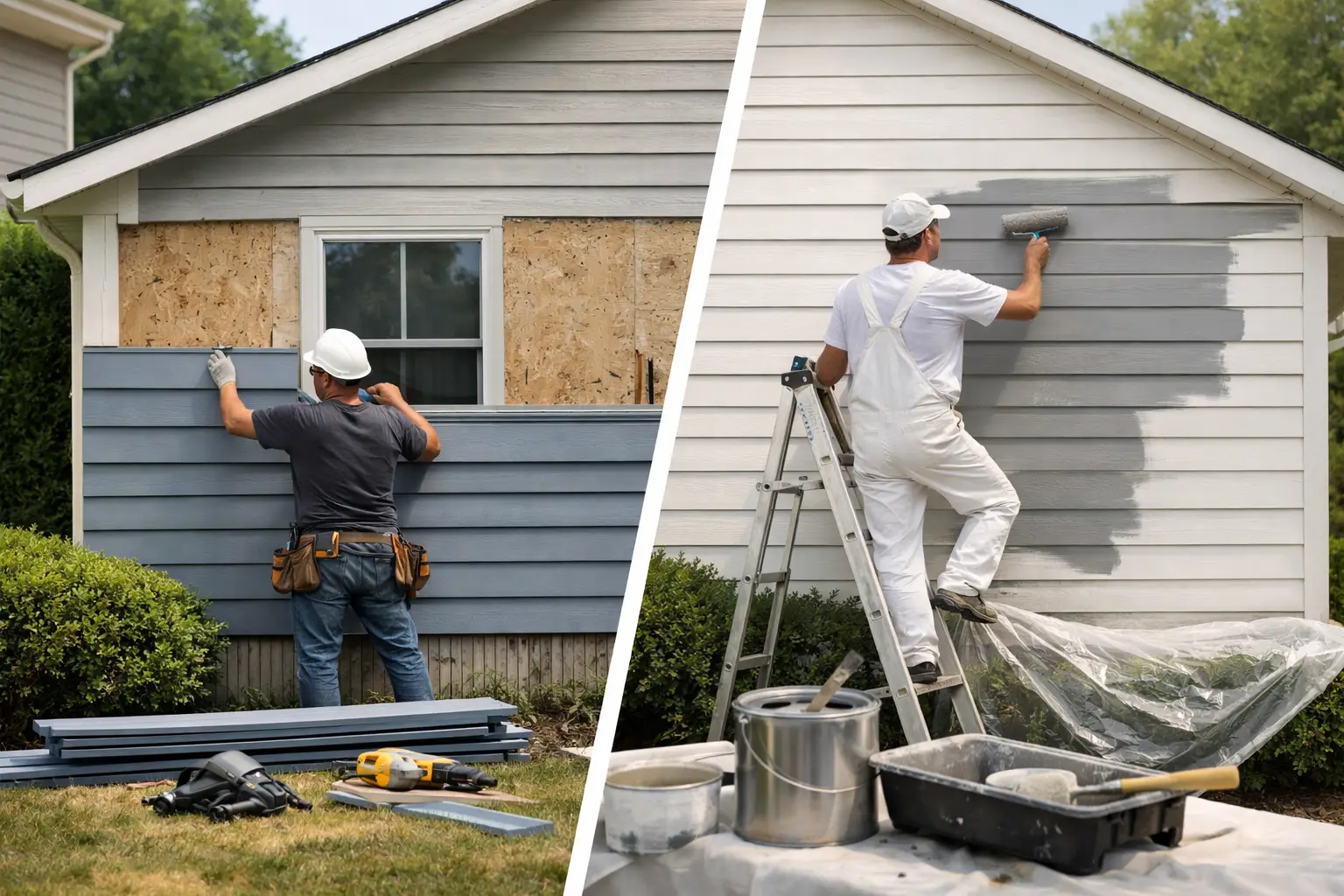
A fresh coat of paint can make a Greater Boston home look cared for almost overnight. But when siding has started to rot, crack, pull away from the wall, or let water behind it, paint is only covering the problem. The decision between siding replacement vs painting comes down to the actual condition of the exterior, not just the color homeowners see from the street.
For some homes, professional prep and painting are a sensible way to extend the life of sound siding. For others, replacement is the better investment because it addresses moisture, structural concerns, energy loss, and repeated maintenance costs at the source. A careful inspection before choosing either path helps avoid spending money twice.
When Painting Existing Siding Makes Sense
Painting can be an effective, cost-conscious choice when the existing siding is still structurally sound. Wood clapboards, cedar shingles, and fiber cement siding can all be repainted successfully when they have been maintained and properly prepared.
The key word is preparation. A lasting paint job is not simply applying a new finish over old surfaces. Loose paint needs to be scraped, bare areas primed, gaps caulked where appropriate, and deteriorated small sections repaired before painting begins. If those steps are skipped, new paint may begin peeling quickly, especially after Massachusetts winters bring snow, wind, and repeated freeze-thaw cycles.
Painting is often a reasonable option when the siding is generally flat and secure, damage is limited to a few repairable boards, and there are no signs of ongoing water intrusion. It can also make sense for homeowners who want to change their home’s appearance while planning a larger exterior project several years down the road.
A paint project is typically less disruptive and has a lower upfront cost than full replacement. It can restore curb appeal and provide another layer of protection from weather. Still, it should be viewed as maintenance, not a cure for hidden siding or wall-system problems.
Signs Replacement Is the Better Long-Term Choice
Siding replacement becomes the stronger option when the material can no longer reliably protect the home. Exterior cladding is part of a larger system that manages rain, wind, and moisture. Once that system has failed in several places, repeated patching and painting can become an expensive cycle.
Look closely for these conditions during an exterior review:
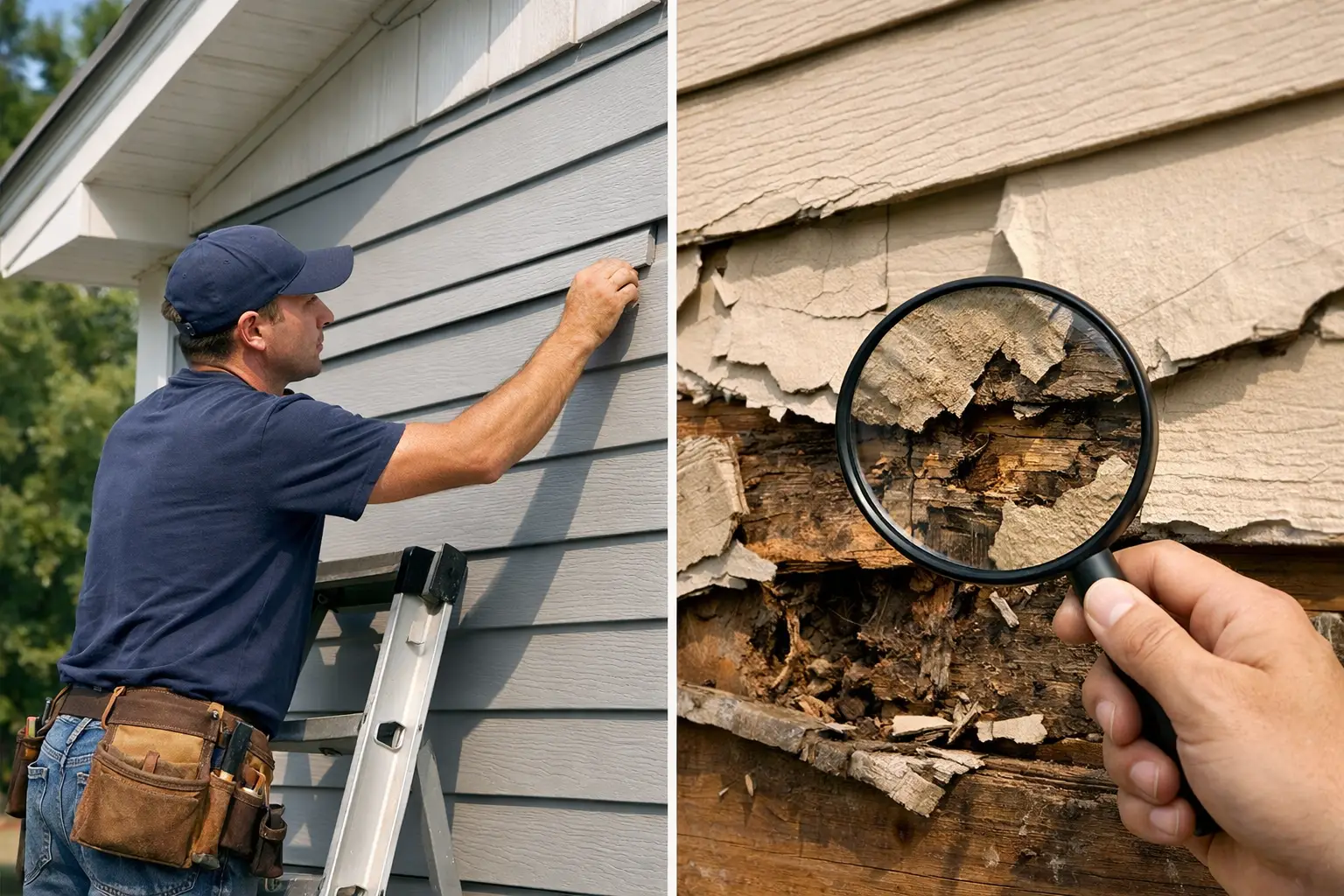
- Soft, spongy, or crumbling wood that indicates rot
- Boards that are split, warped, loose, or pulling away from the wall
- Bubbling paint, staining, or recurring mildew that may point to moisture behind the siding
- Gaps around windows, trim, corners, or penetrations where water and air can enter
- Large sections with widespread repairs, rather than a few isolated damaged boards
Rot is one of the clearest reasons to replace siding. It does not stop at the visible surface. Water can move behind damaged boards and affect sheathing, trim, insulation, and in serious cases, structural framing. Repainting over softened wood may improve the appearance briefly, but it does not restore strength or prevent further decay.
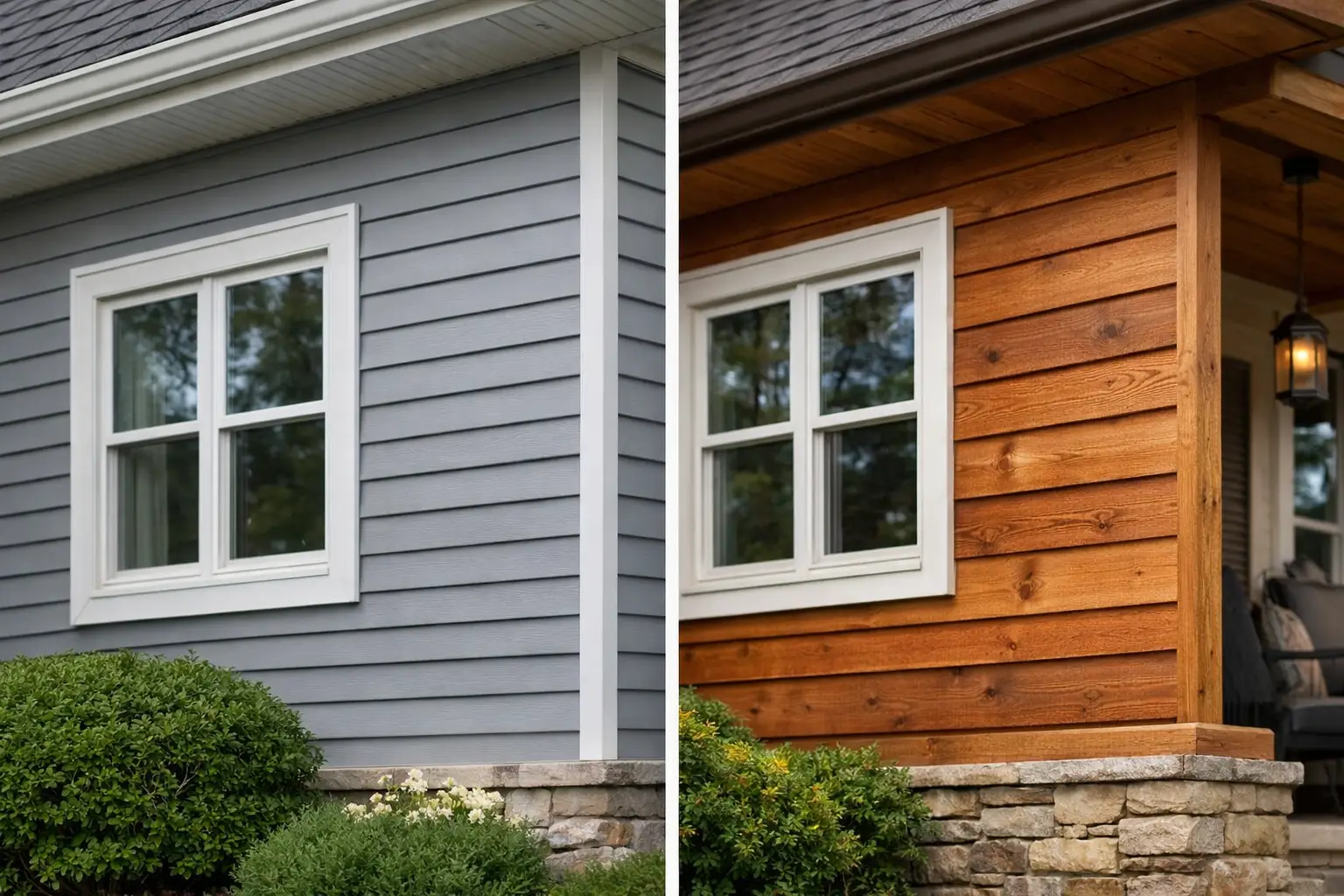
Replacement is also worth considering when homeowners are tired of frequent painting cycles. Traditional wood siding has a classic appearance, but it requires regular upkeep. Modern vinyl, fiber cement, engineered wood, and composite options can reduce maintenance demands while offering a clean, durable finish. The right material depends on the home’s style, budget, desired maintenance level, and local requirements.
Siding Replacement vs Painting: Compare the Real Costs
The initial price difference between painting and replacement is significant, which is why painting is often the first option homeowners consider. But the lowest upfront price is not always the lower cost over time.
A properly completed paint job may last for years, depending on the siding material, exposure to weather, surface preparation, and product quality. South- and west-facing walls often wear faster because of direct sun and weather exposure. Homes near mature trees may also face more moisture, mildew, and debris buildup.
Replacement costs more because it involves removing existing material, inspecting the wall behind it, repairing damaged components as needed, installing weather-resistant layers, and fitting new siding and trim correctly. That work provides an opportunity to correct issues that paint cannot reach. It can also improve the home’s appearance in a more lasting way.
The practical question is whether the current siding has enough remaining service life to justify the cost of painting. If the answer is yes, painting may be the smart move. If substantial repairs are needed before paint can even be applied, comparing that repair-and-paint cost against replacement is worthwhile.
For example, a homeowner with a few peeling clapboards and otherwise solid siding may benefit from targeted repairs and paint. A homeowner with recurring leaks, widespread rot at the bottom edges of boards, and failing trim around windows is usually better served by a replacement project that resolves the underlying conditions.
Do Not Ignore What Is Behind the Siding
The visible siding is only one part of the exterior wall. Proper flashing, house wrap or other weather-resistive barriers, window integration, and trim details all matter. These are the details that help direct water away from the home instead of allowing it to enter the wall assembly.
A siding replacement project gives a contractor access to inspect these concealed areas. Damaged sheathing can be repaired, flashing can be corrected, and problem areas around windows, doors, rooflines, and additions can be addressed before new siding is installed. This is especially valuable on older homes, where exterior layers may have been installed or repaired over many decades.
That does not mean every older home needs a full replacement. It does mean that repeated exterior symptoms deserve a closer look. Peeling paint in the same location every few years, staining beneath a window, or siding that continues to shift can signal a water-management problem rather than a paint-quality problem.
Choosing a Material That Fits Your Home
If replacement is the right path, material selection should be based on more than appearance. Wood offers traditional character and can be repaired selectively, but it requires ongoing maintenance. Vinyl is cost-effective and low maintenance, though quality and installation details matter greatly. Fiber cement provides a durable, paintable appearance and is often selected for its resistance to rot and insects. Engineered wood and composite products can offer other options for homeowners balancing appearance, durability, and budget.
The right choice also depends on the existing architecture. A historic-looking home in Newton or Wellesley may call for a profile and trim package that preserves its character. A more contemporary home may benefit from wider horizontal boards, vertical accents, or a cleaner color contrast. In some communities, historic district rules or local permitting requirements may affect the scope or material choices.
An experienced contractor should explain those considerations clearly, rather than pushing one material for every house. The installation details, including trim, flashing, ventilation, and transitions to roofing and masonry, are just as important as the siding product itself.
Plan the Project Before the Exterior Fails Further
The best time to evaluate siding is before water damage becomes extensive. Walk around the house after heavy rain, check lower board edges and areas near gutters, and look at window trim closely. If you see signs of deterioration, document them and schedule a professional assessment.
A clear estimate should separate necessary repairs from optional upgrades, explain the proposed material and installation scope, and identify any conditions that may need attention once the existing siding is removed. Homeowners should also ask how the work area will be protected, how scheduling will be managed, and how the final walkthrough will be handled.
LA Classic Builder approaches exterior work with that practical planning in mind: inspect the condition, define the scope, complete the work to code, and leave the home with clean finished details. Whether painting is enough or new siding is the wiser investment, a well-informed decision now can protect your home from a much larger repair later.