
Best Roofing Shingles for Massachusetts Homes
A roof that looks fine in October can reveal its weaknesses during the first hard Massachusetts winter. Ice dams, freeze-thaw cycles, wind-driven rain, heavy snow, and summer heat all put pressure on the roofing system. The best roofing shingles Massachusetts homeowners can choose are not simply the most expensive ones. They are shingles matched to the home’s exposure, roof design, budget, and installation requirements.
For most Greater Boston homes, architectural asphalt shingles provide the strongest overall balance of appearance, durability, availability, and cost. But the product is only one part of the decision. Proper roof preparation, flashing, ventilation, and workmanship determine whether a new roof performs as intended when the weather turns.
What Massachusetts Weather Demands From a Roof
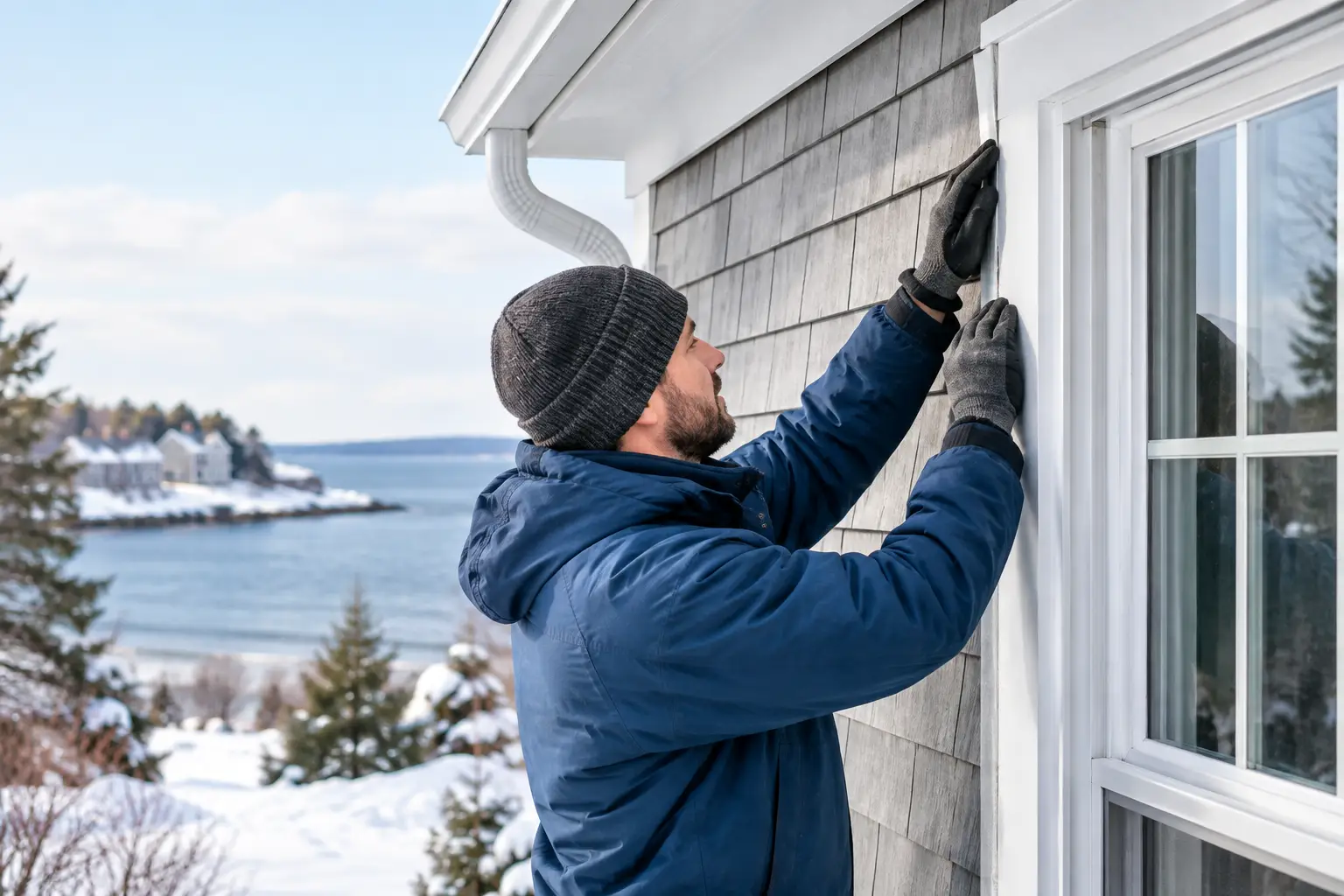
Massachusetts roofs deal with more than rain. Snow can sit on a roof for days, then melt and refreeze near colder eaves. That cycle creates ice dams, which can push water beneath shingles and into ceilings or exterior walls. A roof also has to manage high winds, particularly in open areas and coastal communities, while handling humid summers that encourage algae staining.
That is why a homeowner should look beyond shingle color and a headline warranty. A roofing system needs dependable water-shedding layers, careful flashing at chimneys and walls, correctly installed underlayment, and ventilation that helps control attic moisture and excessive heat.
A good shingle should also suit the roof’s pitch and complexity. A simple gable roof has different needs from a home with multiple valleys, dormers, skylights, and low-slope transitions. Complex roofs have more places where water management and clean detailing matter.
Best Roofing Shingles for Massachusetts: The Main Options
Architectural asphalt shingles
Architectural, also called dimensional or laminated, asphalt shingles are the practical choice for many Massachusetts homeowners. Their layered construction gives them a thicker appearance than basic three-tab shingles, and they are commonly available in a wide range of colors and wind-rating options.
They offer a reasonable middle ground for a replacement roof. Homeowners can get a finished look that complements Colonial, Cape, ranch, and contemporary homes without moving into the substantially higher cost of slate, cedar, or specialty roofing materials. When installed as part of a complete manufacturer-compatible system, quality architectural shingles can provide long-term protection and strong curb appeal.
Not every architectural shingle is identical. Higher-tier lines may offer a heavier profile, improved wind resistance, algae-resistant granules, or enhanced impact ratings. Whether those upgrades are worthwhile depends on the house. A heavily wooded property, a roof exposed to strong winds, or a homeowner planning to stay for decades may benefit from a premium line. For a straightforward roof on a tighter budget, a reliable standard architectural shingle may be the better value.
Impact-resistant asphalt shingles
Impact-resistant shingles are designed to better withstand hail and certain types of debris. They are often tested to a Class 4 impact standard, which is the highest common rating in this category. While hail is not the daily concern it is in some other parts of the country, Massachusetts storms can still bring damaging wind and falling branches.
These shingles can make sense for homes near mature trees or in exposed locations. Some insurers may offer a discount for qualifying impact-resistant products, but homeowners should confirm the requirements directly with their insurance carrier before treating that discount as part of the project budget.
Impact resistance does not make a roof damage-proof. Branch strikes, poor flashing, and wind damage can still create problems. It is an added layer of durability, not a replacement for sound installation.
Algae-resistant shingles
The dark streaks visible on many roofs are often algae, not dirt or a shingle failure. Homes shaded by trees, located near water, or surrounded by dense neighborhoods can be more susceptible. Algae-resistant shingles use specially formulated granules to help limit this staining.
For many Greater Boston properties, this is a worthwhile feature because it helps preserve a clean roof appearance over time. It should not be confused with protection against moss growth caused by persistent shade and trapped moisture. Pruning back overhanging branches and keeping gutters clear still matter.
Three-tab shingles
Three-tab shingles are thinner, flatter, and generally less expensive than architectural shingles. They may be appropriate for limited-budget situations, detached garages, sheds, or matching an existing roof where replacement is not yet practical.
For a full home reroof, however, many homeowners choose architectural shingles because they offer a more substantial appearance and typically stronger overall performance characteristics. The initial price difference is only one part of the equation when a roof is expected to protect the home for many years.
Do Not Choose Shingles by Warranty Alone
A long warranty can sound reassuring, but it is not a simple prediction of how long a roof will last. Warranty coverage can depend on the exact product, installation method, ventilation conditions, registration requirements, and whether the issue qualifies as a manufacturing defect rather than normal aging or installation-related damage.
Ask for the written warranty details, but make the construction scope your first concern. Homeowners should understand what will happen at valleys, chimneys, pipe penetrations, skylights, sidewalls, roof-to-wall transitions, and eaves. These are the areas where a roof commonly succeeds or fails.
The most durable shingles cannot compensate for reused damaged flashing, improperly driven nails, missing ice and water protection, or an attic with poor ventilation. A responsible roofing proposal should describe the system, not merely name the shingle color and number of squares.
Match the Roof System to the Home
In Massachusetts, ice and water protection at vulnerable areas is a central part of reroofing work. The exact placement should follow applicable code and the roof’s conditions, but eaves, valleys, penetrations, and other water-sensitive transitions deserve particular attention. Proper underlayment and flashing work with the shingles to direct water outward.
Ventilation also deserves an honest assessment. An attic that traps heat and moisture can contribute to premature roof aging, condensation concerns, and uneven snow melt. The solution is not always adding one vent. It may involve balancing intake ventilation at the eaves with exhaust ventilation near the ridge while considering insulation, existing framing, and the home’s layout.
If the roof deck has soft areas, water damage, or inadequate fastening, those issues should be addressed before shingles are installed. Covering a weak deck creates a cleaner-looking problem, not a durable roof. A thorough estimate identifies likely repairs and explains how unforeseen concealed damage will be handled if it is found after tear-off.
Color, Curb Appeal, and Heat Considerations
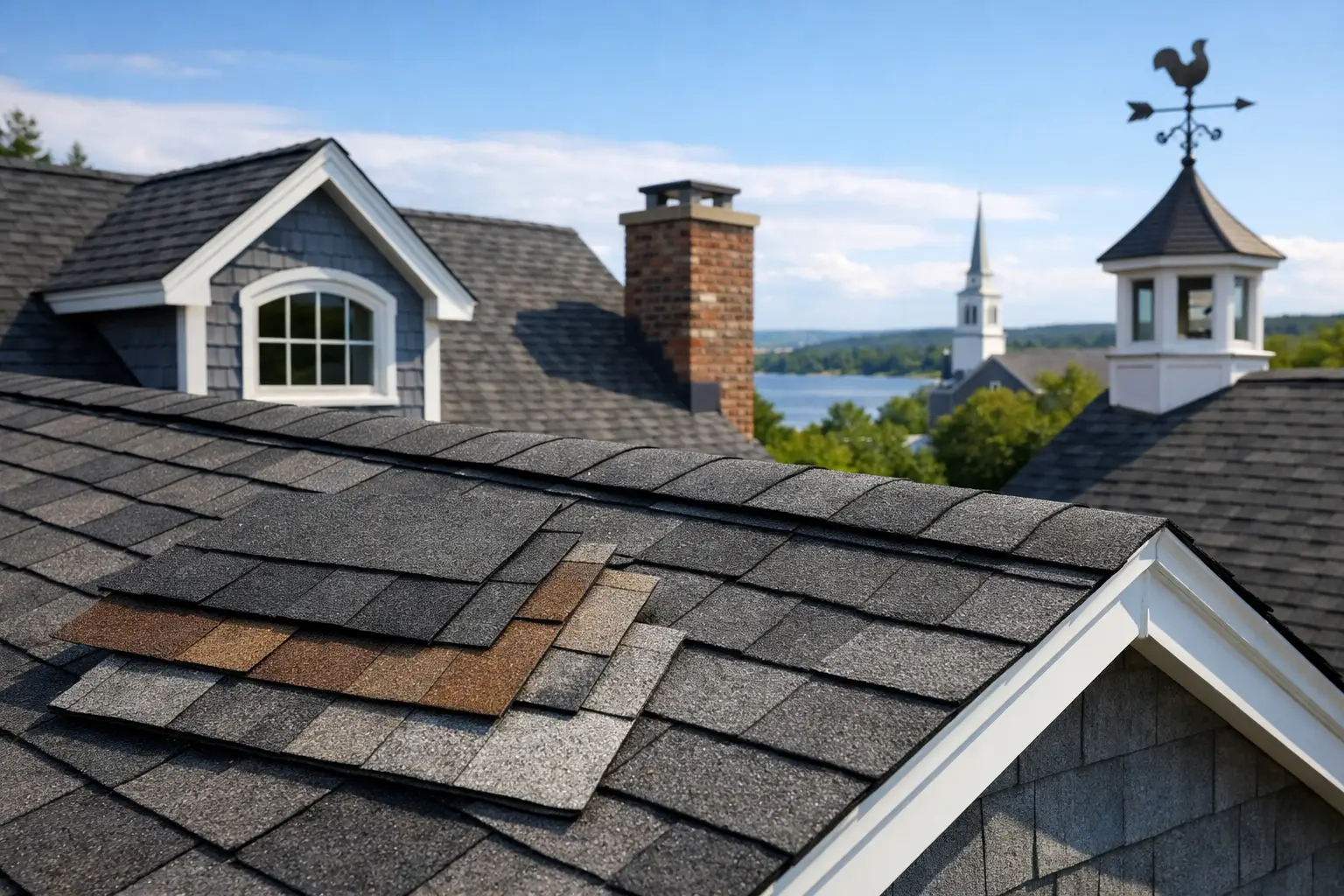
Shingle color can change the character of a home more than many homeowners expect. Weathered gray, charcoal, black, brown, and blended earth tones are common choices for Massachusetts homes because they work with traditional siding, brick, stone, and painted trim.
The best choice depends on the exterior as a whole. A dark roof can give a light-sided Colonial strong definition, while a softer gray or brown blend may suit a home with natural wood, stone, or warmer siding colors. Bring home exterior samples into the decision rather than selecting from a small showroom swatch under indoor lighting.
Darker shingles can absorb more heat, but color alone should not drive the decision in New England. Attic insulation, ventilation, roof orientation, shade, and the overall building envelope all affect comfort and energy use. Choose a color that fits the home and select a roofing system built correctly beneath it.
Questions to Ask Before Approving a Roofing Proposal
A clear proposal protects both the homeowner and the contractor. Before work begins, confirm whether the scope includes tear-off, deck inspection, underlayment, ice and water protection, new flashing where needed, ventilation work, ridge cap, cleanup, and disposal. Ask how the property, landscaping, driveways, and siding will be protected during removal and installation.
It is also reasonable to ask who will manage the job, how scheduling updates will be communicated, whether permits are required, and what final walkthrough process will take place. Massachusetts homeowners should work with a properly licensed and insured contractor who can explain the scope in plain language and take responsibility for the finished work.
At LA Classic Builder, roofing projects are approached as exterior protection work, not a quick shingle swap. The goal is a defined scope, dependable communication, code-conscious installation, and finished details that hold up after the crew leaves.
Make the Choice Before the Leak Becomes Urgent
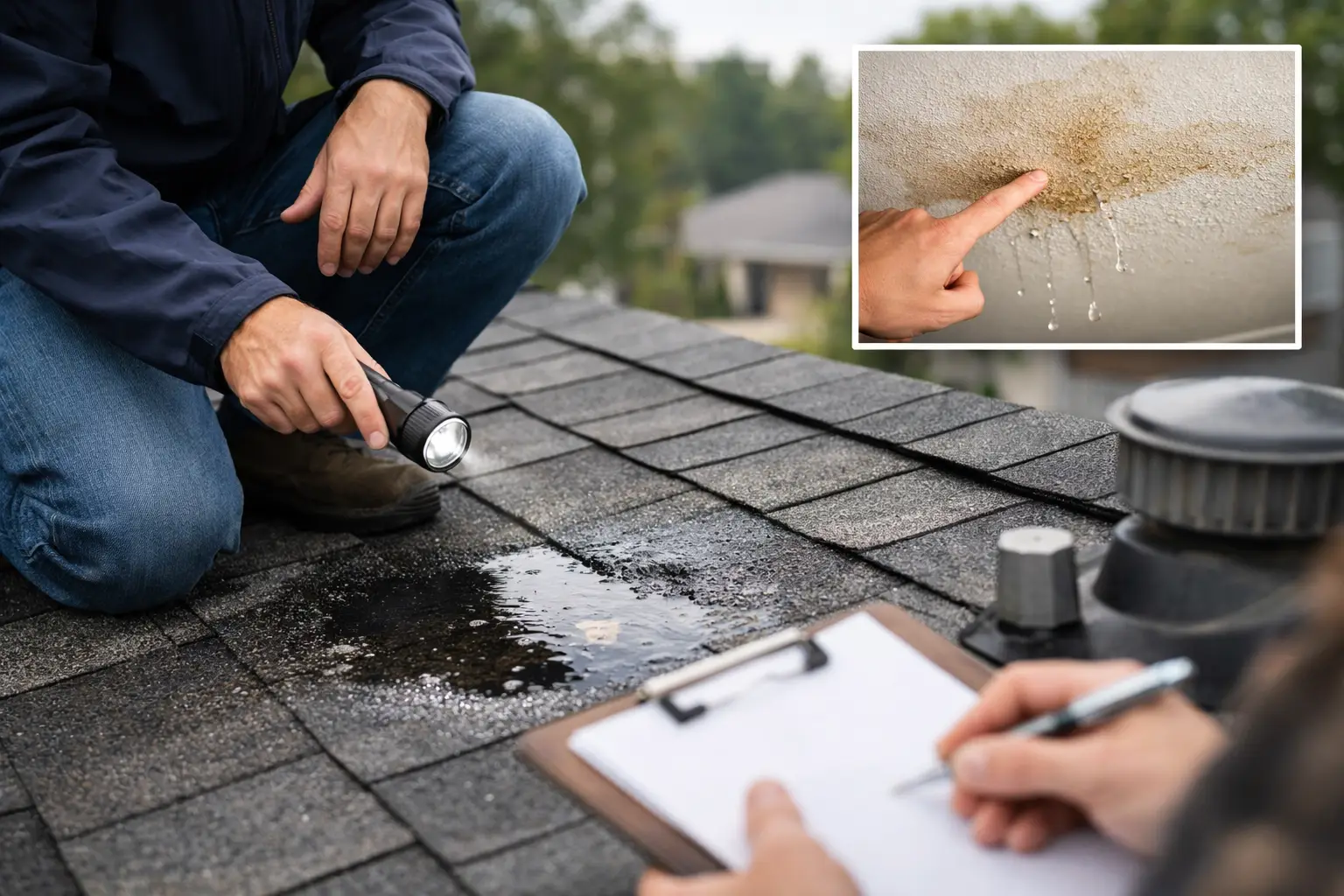
Waiting for active interior water damage can limit choices and turn a planned exterior investment into an emergency repair. If shingles are curling, granules are collecting in gutters, flashing is deteriorating, or the roof is nearing the end of its expected service life, a professional evaluation can help clarify the next step.
The right roof is one you do not have to think about during the next nor’easter. Start with an honest assessment of the home, choose shingles that fit Massachusetts conditions and your budget, and make sure the installation plan gives every detail the attention it needs.