
How to Identify Roof Leaks Before Damage Spreads
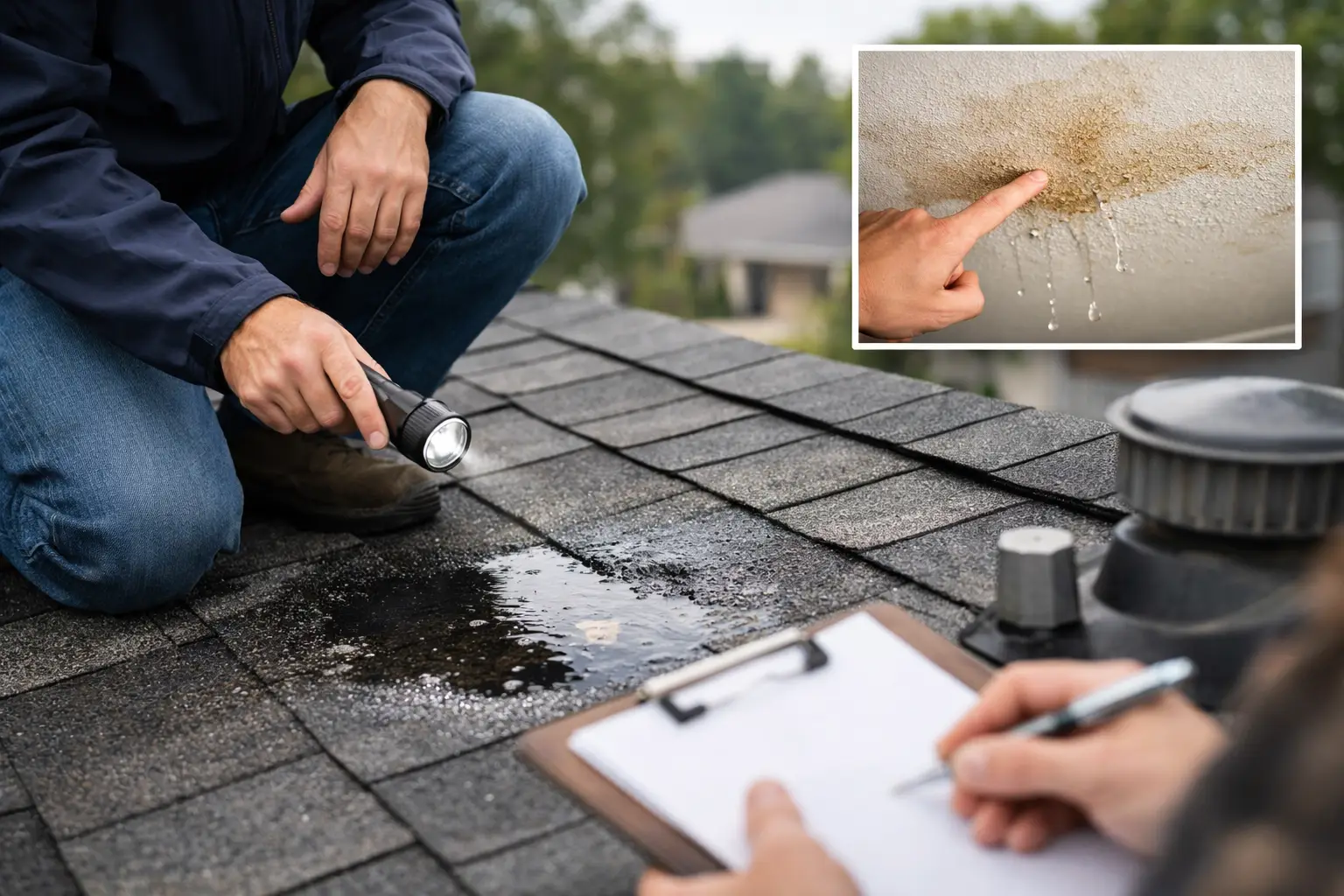
A roof leak rarely announces itself directly below the damaged shingle. Water can travel along roof decking, framing, pipes, or insulation before it reaches a ceiling. That is why knowing how to identify roof leaks means looking for a pattern of clues, not just waiting for a drip bucket in the living room.
For Greater Boston homeowners, small roof issues can become more urgent after heavy rain, wind-driven storms, snow buildup, and repeated freeze-thaw cycles. Catching the warning signs early may limit damage to a targeted roof repair instead of turning the project into roof-decking replacement, insulation work, ceiling repair, or mold remediation.
Start Inside: Look for Changes in Ceilings and Walls
The first visible sign is often a brown, yellow, or gray water stain on a top-floor ceiling. A fresh stain may have a darker ring around its edge, while an older stain can look dry and faded. Neither should be ignored. Even if the stain does not grow after the next storm, it indicates water entered the building at some point and the source should be investigated.
Pay attention to peeling paint, bubbling drywall, softened plaster, or a ceiling area that feels damp or saggy. These conditions can signal ongoing moisture. If a ceiling begins to bow, keep people away from the area and arrange for professional help promptly. Wet drywall can become heavy enough to fail.
Water near a window does not automatically mean the roof is leaking. It may come from failed window flashing, siding, trim, or an ice dam. The location and timing matter. Moisture that appears only during wind-driven rain may point to a flashing or exterior-wall issue, while staining that follows snowmelt can suggest ice dams or roof drainage problems.
How to Identify Roof Leaks From the Attic
The attic is often the best place to confirm whether water is getting through the roof system. Check it during daylight first, then again after or during a steady rain if it is safe to do so. Bring a flashlight, wear stable footwear, and step only on framing or properly supported flooring. Never put weight on the back of drywall between ceiling joists.
Look for wet insulation, dark marks on rafters or roof decking, rusted nail tips, damp wood, and areas where daylight is visible through the roof. Water staining around a roof penetration – such as a plumbing vent, bathroom exhaust vent, chimney, or skylight – deserves close attention. These details require flashing and sealants that can deteriorate over time.
A musty odor also matters. It does not prove an active roof leak, since attic condensation can create similar conditions, but it indicates a moisture problem worth addressing. In winter, inadequate ventilation and air leaking from the living space can cause condensation on the underside of roof decking. The fix may involve air sealing and ventilation improvements rather than shingle replacement. A careful inspection separates those causes before work begins.
Inspect the Roof From the Ground First
A ground-level inspection can reveal obvious concerns without the risk of climbing onto a roof. Walk around the property after a storm and look at the roof from several angles. Binoculars can help you see details while keeping both feet safely on the ground.
Watch for shingles that are missing, lifted, cracked, curled, or visibly out of alignment. Dark bare patches can mean asphalt granules have worn away. Granules may also collect in gutters or at the bottom of downspouts, although a small amount is normal on a newer roof.
Check the areas where roof planes meet. Valleys direct a high volume of water and can become leak points when shingles, underlayment, or flashing fail. Also look closely at chimneys, skylights, dormers, vent pipes, and sidewalls where the roof meets siding. These transitions are more complex than an open field of shingles and account for many leaks.
Gutters matter, too. Leaves, shingle grit, and debris can block drainage, allowing water to back up under roofing materials. A gutter that pulls away from the fascia or spills water near the foundation needs attention even if it is not the original source of a roof leak.
Know the Difference Between a Leak and Condensation
Not every moisture mark is caused by rain entering through the roof. Condensation commonly appears in attics during cold Massachusetts weather when warm, humid indoor air rises through unsealed openings around light fixtures, attic hatches, plumbing penetrations, or ductwork.
Condensation tends to be broader and more widespread across the underside of roof decking, particularly near the ridge or on north-facing slopes. A roof leak is more likely to leave a concentrated trail, often beginning near a penetration, valley, chimney, or damaged section of roofing.
The distinction affects the repair plan. Replacing shingles will not solve an attic ventilation or air-sealing problem. On the other hand, adding ventilation alone will not correct deteriorated flashing. A contractor should inspect the roof covering, flashing details, attic conditions, and drainage together before recommending a repair.
Pay Attention After Specific Weather Events
The timing of a leak offers useful clues. A leak that appears during ordinary rain may come from worn shingles, exposed fasteners, damaged flashing, or a failed roof penetration. If it occurs only during strong wind, wind-driven rain may be entering at a lifted shingle, wall flashing, ridge vent, or siding transition.
Leaks after snow and ice are different. Ice dams form when snow melts on warmer upper roof areas, then refreezes near cold eaves. Meltwater can pool behind that ice and work beneath shingles. You may see stains near exterior walls, wet insulation at the edge of the attic, or icicles along the gutters. Removing ice improperly can damage shingles and gutters, so the immediate response should focus on safe snow management and identifying the underlying insulation, air-sealing, and ventilation conditions.
After a major windstorm, inspect the ground for shingle pieces, flashing, and metal vent caps. Even when nothing has fallen, wind can break the seal between shingles or expose a vulnerable edge. Photograph what you see from a safe location. Clear photos and notes about when the issue appeared can help a contractor diagnose the problem efficiently.
Avoid Common DIY Mistakes
It is reasonable to check ceilings, attic areas, gutters, and roof conditions from the ground. It is not always reasonable to climb onto a wet, steep, icy, or aging roof. Roof surfaces can be slippery even when they look dry, and stepping in the wrong location can damage brittle shingles or break through weak decking.
Avoid covering a suspected leak with caulk as a permanent solution. Sealant can temporarily slow water, but it may also trap moisture or hide a failed flashing detail that needs proper repair. Roofing systems shed water through layered materials. A durable repair usually requires restoring those layers, not simply applying more sealant at the surface.
Do not assume a single stain means a single roof problem. An older roof may have several vulnerable details, especially around chimneys, valleys, and vents. A focused inspection can identify whether the repair is isolated or whether broader replacement planning makes more sense.
When to Call a Roofing Professional
Arrange a professional inspection when you see active dripping, expanding stains, wet attic insulation, sagging ceiling materials, missing shingles, or repeated moisture after storms. The same applies if the roof is nearing the end of its expected service life or if you are planning siding, skylight, chimney, or exterior trim work that intersects with roof flashing.
A dependable inspection should explain what is causing the issue, what work is needed now, and what conditions may require monitoring. For homeowners who prefer a clear project process, LA Classic Builder can assess exterior conditions, define the repair scope, and discuss practical options before construction begins. Proper planning matters because roofing repairs often connect to structural carpentry, siding, trim, ventilation, or drainage details.
A roof leak is easiest to manage when it is still a small, well-documented problem. Take note of the weather, photograph visible signs, keep the affected area dry where possible, and have the roof evaluated before the next storm gives water another path inside.