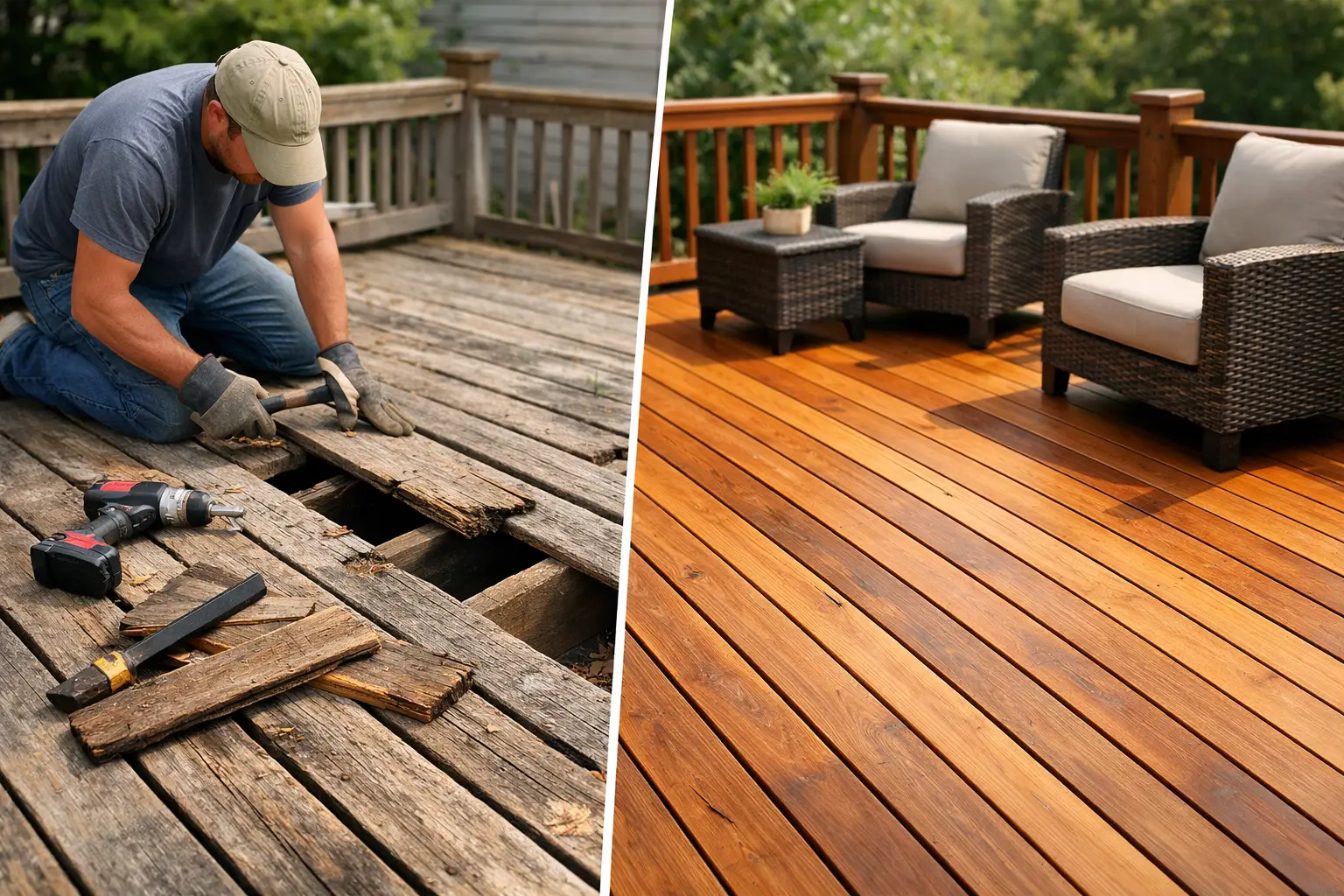

Composite Decking Reviews: What Matters Most
A deck can look excellent on installation day and still become a disappointment after its first few New England winters. That is why composite decking reviews are useful, but only when you read beyond star ratings and color photos. The best feedback reveals how a particular board performs after sun, snow, wet leaves, foot traffic, grilling, and several years of normal use.
For Greater Boston homeowners replacing an aging wood deck or planning a new outdoor space, composite decking can be a strong investment. It reduces the recurring work of sanding, staining, and sealing, while offering a clean, consistent finish. Still, not every composite product, installation method, or budget is the same. A reliable decision starts with knowing what reviews can tell you and what must be evaluated at your own home.
How to Read Composite Decking Reviews
Online reviews often combine several different experiences: the quality of the deck boards, the workmanship of the installer, the homeowner’s expectations, and conditions at the property. A complaint about staining may be a material issue, but it may also be related to grease left on the surface. A report of loose boards may point to improper fastening or inadequate framing rather than the decking itself.
Look for detailed reviews written after a full season or, better yet, several years. A homeowner who explains how the deck handled direct afternoon sun, a shaded yard, or frequent snow removal gives you more useful information than a brief comment made immediately after installation.
Pay close attention to repeated patterns. If several reviews mention that a board gets hot in full sun, takes longer to clean, or has a noticeable texture, those observations are worth discussing during material selection. One isolated complaint does not necessarily represent the full product line, especially when manufacturers offer different grades, cap technologies, colors, and surface finishes.
Separate Product Performance From Installation Quality
Composite boards are part of a complete deck system. The framing, joists, fasteners, stair construction, flashing, drainage, railing connections, and ledger attachment all affect the finished result. Even premium boards cannot compensate for an improperly built structure.
When reviewing contractor feedback, look for comments about communication, jobsite cleanliness, schedule reliability, attention to detail, and how issues were handled. For a deck project, homeowners should also ask whether the contractor is properly licensed and insured, understands local permit requirements, and will complete a final walkthrough before the work is closed out.
The Most Common Themes in Composite Decking Reviews
Most homeowner feedback comes back to appearance, maintenance, comfort, durability, and cost. Each category matters, but the right priority depends on how you use your deck.
Appearance and Color Retention
Composite decking is available in colors and grain patterns that range from simple, uniform boards to more natural-looking variegated finishes. Higher-end products typically have more realistic color variation and better scratch or fade resistance, but they also cost more.
Reviews frequently mention color changes over time. Some fading is normal with outdoor materials, particularly during the first months of exposure. Capped composite boards are generally designed to provide stronger protection against fading and staining than older, uncapped products. Dark boards can make a strong visual statement, but they tend to show pollen, dust, and footprints more readily. They can also feel considerably warmer in direct sun.
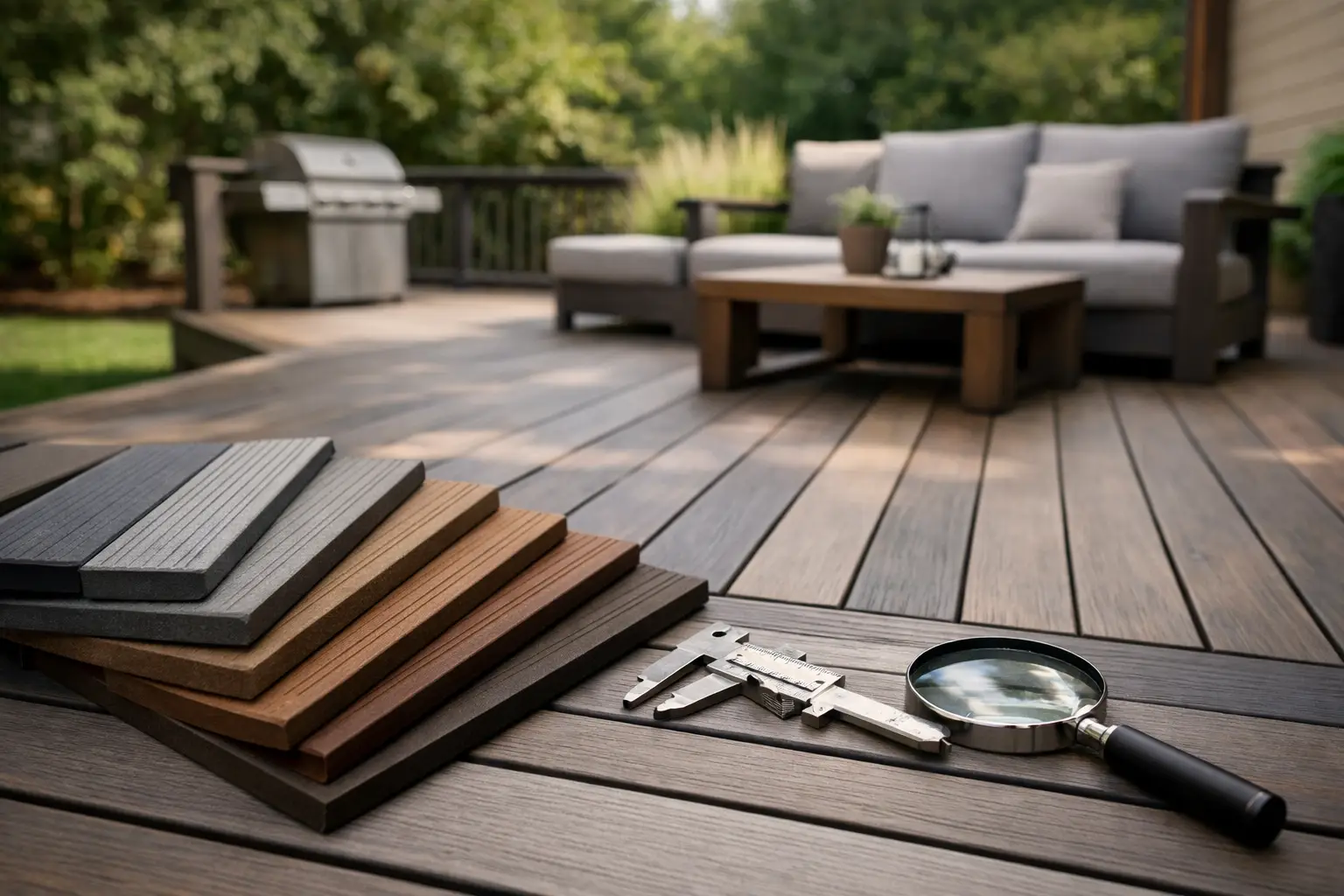
Bring home samples before making a final choice. Set them outside near the house, view them in morning and afternoon light, and compare them with your siding, trim, and patio materials. A color that looks right under showroom lighting can feel very different against a Massachusetts home exterior.
Cleaning and Maintenance Expectations
Composite decking is low maintenance, not maintenance-free. This is one of the most important distinctions to take from composite decking reviews. You will not need routine staining or sealing, but the deck should still be cleaned periodically to remove pollen, dirt, leaf residue, and food spills.
Most capped composite products can be cleaned with mild soap, water, and a soft-bristle brush, following the manufacturer’s care instructions. Homeowners with heavily shaded yards should be especially realistic about cleaning. Moisture, tree debris, and limited airflow can encourage mildew on any exterior surface, including composite boards. The material may resist damage better than wood, but it still needs basic care to stay looking its best.
If grilling is a regular part of your deck use, ask how the selected board handles grease and food stains. Quick cleanup matters. It is also wise to use a grill mat approved for the surface and to keep the grill positioned safely away from the home and railing.
Scratches, Scuffs, and Everyday Use
No deck surface is completely scratch-proof. Composite boards can be marked by dragged furniture, dog nails, moving planters, metal chair legs, or shovels used carelessly during winter. Reviews are most useful when they explain the type of damage and whether it was visible from normal standing distance.
A textured or variegated board often hides minor scuffs better than a flat, solid-color option. If your deck will see active children, pets, frequent entertaining, or furniture that moves often, choose with daily life in mind instead of selecting only for a showroom appearance.
For snow removal, use a plastic shovel and work in the direction of the boards when possible. Avoid metal edges that can scrape the finish. Ice-melt products should be checked against the decking manufacturer’s recommendations, since formulas and warranties vary.
Heat Underfoot
This concern appears often in reviews, and for good reason. All decking materials can become hot in strong sun. Darker composite colors usually retain more heat, while lighter colors may be more comfortable for bare feet. Board density, texture, surrounding surfaces, and the amount of direct exposure also make a difference.
A deck on the south or west side of a home in Newton, Natick, or Wellesley may receive intense afternoon sunlight. If comfort is a priority, compare samples outside on a warm day. Shade structures, pergolas, umbrellas, and thoughtful layout planning can also improve how the space feels during summer.
Compare the Whole Cost, Not Just Board Pricing
Composite decking generally costs more upfront than pressure-treated lumber. That higher initial price can make homeowners hesitate, particularly when a deck frame also needs replacement. The better comparison includes the expected life of the deck, the labor and supplies required to maintain wood, and how long you plan to remain in the home.
Premium composite may make sense for a main outdoor living area used every week. A more economical composite line may be the better fit for a smaller landing, secondary stair platform, or rental property where appearance and budget need to stay balanced. There is no single best board for every project.
Ask for a written scope that separates structural work from finish selections. It should make clear whether the project includes demolition, new footings, framing, decking, railings, stairs, permits, debris removal, and final cleanup. This helps prevent a low initial number from becoming a more expensive project once necessary details are added.
Do Not Overlook Framing, Drainage, and Code Requirements
Many deck problems begin below the deck boards. Older framing may have rot, undersized joists, poor ledger flashing, or footings that do not meet current requirements. Composite boards are heavier than many wood decking options, and manufacturers specify joist spacing, fasteners, ventilation clearances, and installation details that need to be followed.
A qualified builder should inspect the existing structure before promising that it can simply be resurfaced. In some cases, replacing the deck surface and railing is practical. In others, a full rebuild is the safer long-term option. This is particularly true where water has been trapped against the house, the deck has settled, or railing posts are loose.
Greater Boston deck projects may also require permits and code-compliant details for stairs, guards, handrails, footings, and connections to the home. These are not cosmetic details. They affect safety, resale confidence, and the durability of the project.
Questions to Ask Before Choosing Composite Decking
Use reviews to create better questions for your estimate meeting. Ask which product line is being proposed, what warranty applies, how the boards will be fastened, and what maintenance the manufacturer recommends. Discuss sun exposure, trees, pets, grilling, furniture, and whether you expect to use the deck barefoot.
You should also ask whether the existing framing will be inspected, how the contractor handles permits, and what happens if hidden rot or structural concerns are found after demolition. Clear answers early in the process help protect both the schedule and the budget.
At LA Classic Builder, deck planning starts with the condition of the home and structure, not just a board sample. The goal is a durable, code-compliant deck with clean finished details and a scope homeowners can understand before construction begins.
The right composite deck is the one that fits your property, your maintenance expectations, and the way your family actually spends time outdoors. Bring reviews into the conversation, but let a careful site evaluation and a clearly defined plan make the final call.